

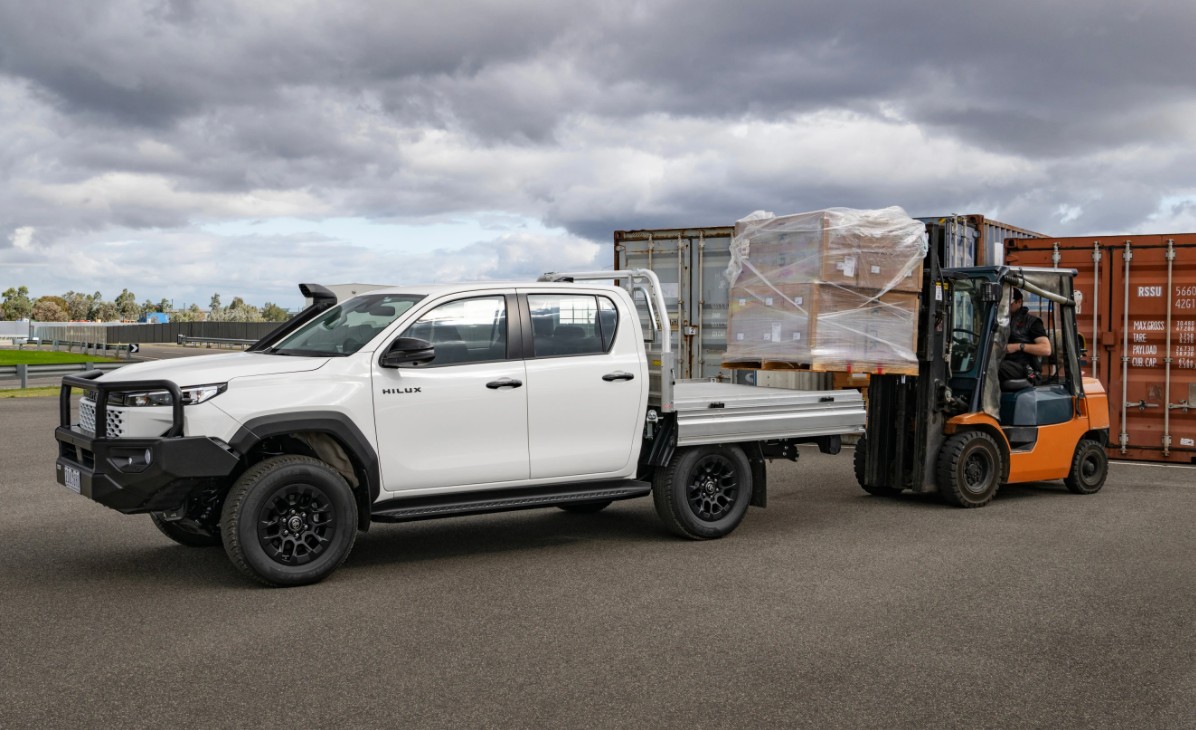
Dual-cab utes like the Ford Ranger, Toyota HiLux, and Isuzu D-Max remain the absolute backbone of the Australian automotive market in 2026. These incredibly versatile vehicles are tasked with navigating everything from congested city streets and tight suburban job sites to rugged, remote regional locations. However, whether you are an independent tradie operating out of a single vehicle or a fleet manager overseeing dozens of commercial trucks, finding enough room for all your gear without turning your ute into a top-heavy hazard is a constant, daily struggle. Modern operations rely on efficiency, which means carrying the exact right tools for the job is non-negotiable. Getting your cargo management right is about much more than just daily convenience or quick access to equipment. It is absolutely essential for maintaining strict road safety, maximising vehicle longevity, reducing wear and tear, and proactively protecting your valuable business assets from opportunistic thieves.
The Hidden Costs of Poor Storage Solutions
When the factory tub or tray fills up, many drivers immediately look to the roof to solve their overflowing storage problems. Unfortunately, relying on bulky accessories like heavily loaded roof racks or oversized rooftop baskets will significantly increase the aerodynamic drag on the vehicle. In fact, loading up the roof can rapidly drive a commercial vehicle’s highway fuel consumption up by anywhere from 10 to 20 percent, depending on the shape of the cargo. Even driving with a completely empty roof rack can increase fuel usage by 2 to 5 percent simply due to the added wind resistance at highway speeds.
Every extra hundred kilograms of payload weight can also increase fuel use by up to 2 percent, a penalty that compounds quickly during stop-start driving in busy suburban areas and inner-city traffic. Over a full working year, these small percentage increases translate into thousands of dollars in lost revenue. By optimising your storage layout to eliminate unnecessary wind drag and balance the overall weight, you can effectively reduce fuel cost in a fleet company or keep considerably more money in your own pocket as a solo operator.
Smart Placement for Better Balance and Security
Loading heavy construction equipment high up on your vehicle inherently raises its centre of gravity. This dramatically increases the risk of a dangerous rollover during off-road driving or when making sudden, evasive manoeuvres on the highway to avoid wildlife or debris. Furthermore, overloading the rear of a work truck, behind the rear axle, can physically lift the front wheels off the tarmac. This reduces steering authority and compromises your overall stability, especially when navigating high-speed crosswinds, wet roads, or uneven terrain.
A clever way to achieve this highly sought-after lower centre of gravity while keeping vital tools secure is by installing an underbody truck toolbox to utilise the otherwise empty dead space beneath the tray. This highly efficient storage approach improves vehicle handling by keeping mass low to the ground, and it provides heavy-duty security exactly where it is needed most.
Tool theft remains a massive financial drain for hardworking Australian tradespeople. The state of Victoria alone recorded 27,716 stolen tools in the year leading to June 2026, totalling over A$37.8 million in tragic losses, with an average claim cost surging to roughly $1,363. Due to this relentless spike in property crime across residential job sites, moving away from open trays and easily targeted soft bags is now an absolute necessity for any serious professional.
Essential Guidelines for Vehicle Loading
Maximising your commercial cargo capacity is not just a practical, everyday challenge. It is heavily regulated by local authorities to ensure public safety on the roads. The National Heavy Vehicle Regulator and state transport departments rigorously enforce mass limits across the entire country. Getting it wrong can lead to severe fines, immediate defect notices, or a completely voided vehicle insurance policy in the disastrous event of a traffic accident.
Before you start permanently modifying your vehicle or adding heavy steel storage canopies, it is critical to ensure you remain firmly within the strict light vehicle standards which mandate a Gross Vehicle Mass of 4.5 tonnes or less. Exceeding this critical limit places extreme, accelerated stress on your braking and suspension systems, increasing your stopping distances dangerously under heavy loads.
To keep your work truck safe, fully legal, and operating efficiently, consider adopting these highly practical payload strategies:
- Visit a certified public weighbridge when your vehicle is fully loaded with your crew, a full tank of fuel, and all essential tools to confirm you are well under your legal limits.
- Distribute your cargo weight evenly across both the front and rear axles to maintain optimal braking performance and predictable steering control in all weather conditions.
- Store your absolute heaviest equipment, such as air compressors, generators, and heavy hydraulic jacks, as low down and as far forward in the tray as possible.
- Invest in permanently anchored, heavy-duty lockboxes that completely conceal your most valuable items, rather than relying on loose plastic tubs or basic padlocks that experienced thieves can bypass in mere seconds.
Upgrading your work truck for better storage does not mean you have to sacrifice on-road safety, daily handling capabilities, or long-term fuel efficiency. The secret to success is to avoid the easy temptation of piling everything onto the roof or carelessly throwing heavy gear into the very back of the tray. By thinking strategically about exactly where your equipment lives and taking full advantage of every inch of secure, low-mounted space, you can simultaneously protect both your livelihood and your vehicle. Ultimately, smart cargo management ensures your commercial ute remains the highly reliable, capable workhorse it was originally engineered to be.