

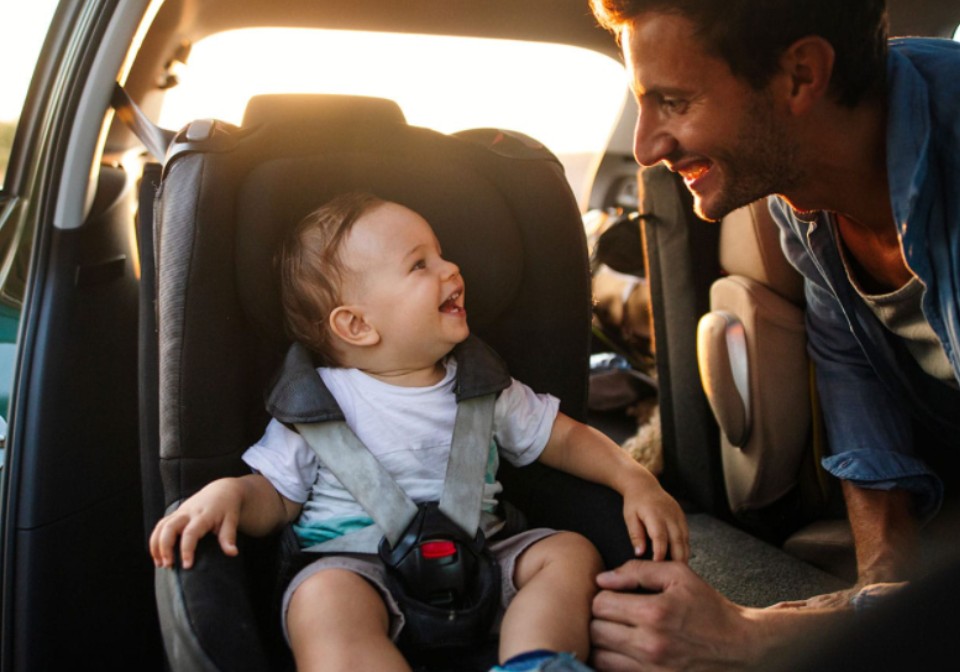
Bringing a newborn home means adjusting to a completely different lifestyle, especially when it comes to family transportation. The first few car rides with an infant can be nerve-wracking for new parents, as they transition from simply being drivers to full-time protectors. While selecting a reliable, family-friendly vehicle is a great starting point, preparing the interior cabin for a fragile passenger requires specific, deliberate modifications. Before diving into the best accessory upgrades, it is vital to master the basics of keeping your children safe while driving, such as correctly installing your child’s car seat, checking for safety recalls, and consistently engaging the child door locks. Once those foundational safety habits are firmly in place, parents can focus on upgrading the cabin environment to ensure a secure, comfortable, and temperature-controlled ride.
Prioritizing Advanced Sun Protection
Infant skin is incredibly delicate and highly susceptible to damage from ultraviolet radiation. The American Academy of Pediatrics and the FDA strongly recommend keeping babies under six months old out of direct sunlight entirely. While your vehicle’s front windshield likely blocks most ultraviolet light, side and rear passenger windows often only block UVB rays, according to the Skin Cancer Foundation. This leaves rear-seat passengers completely exposed to skin-aging and potentially harmful UVA rays.
Because infants under six months are at a higher risk of experiencing adverse side effects from chemical sunscreens, creating a physical barrier inside the car is the safest defense. Installing a custom-fit infant car window shade is an essential upgrade for any family vehicle. This simple addition blocks harmful glare and UV radiation, ensuring that your baby remains safely shielded without blocking the driver’s blind spot visibility. The AAP also recommends outfitting children in sunglasses that provide nearly perfect protection against both UVA and UVB rays when traveling in bright conditions.
Securing the Proper Restraint Systems
A high-quality infant carrier is the most important piece of equipment in your vehicle. Data shows that correctly installed car seats reduce the risk of fatal injury in passenger car crashes by 71 percent for infants and 54 percent for toddlers. Unfortunately, according to a recent National Highway Traffic Safety Administration report, nearly 39 percent of children under the age of 14 who died while riding in passenger vehicles were completely unrestrained. Furthermore, recent data indicates that car seat use for infants up to 12 months old has seen slight declines, a trend that safety experts are desperately working to reverse through education and outreach.
To maximize safety, parents should utilize community resources to verify their installation. The annual National Child Passenger Safety Week focuses on raising awareness about the proper selection and use of child restraints, culminating in National Seat Check Saturday. Additionally, long-standing partnerships between automakers and advocacy groups like Safe Kids Worldwide have performed millions of free car seat inspections across the country. Taking the time to visit a local fire station or police department for a certified inspection can eliminate the guesswork and ensure your carrier is locked in tightly.
Essential Upgrades for Temperature Control and Monitoring
A child’s body temperature can increase three to five times faster than an adult’s, making cabin temperature regulation a critical safety priority. Advocacy group Kids and Car Safety notes that 88 percent of children who have tragically died in hot car incidents are age three and younger. Preparing your car with specific accessories can help mitigate these extreme risks.
Consider adding the following essential upgrades to your family vehicle:
- Rear-seat occupant alert systems: Over half of all hot car incidents occur when a caregiver unknowingly leaves a child in the vehicle. While advocacy groups are pushing for this technology to become standard, aftermarket sensors and chimes can be installed to remind drivers to check the back seat before walking away.
- Shatterproof baby mirrors: Positioned securely on the rear headrest, these convex mirrors allow the driver to quickly check on a rear-facing infant through the primary rearview mirror without turning their head away from the road.
- Solar-reflective seat covers: When the car is parked in an open lot, popping a specialized reflective cover over the baby’s car seat prevents the metal buckles and dark fabrics from absorbing extreme heat that could burn a newborn’s skin.
- Battery-operated clip-on fans: Even when the air conditioning is running, cool air struggles to reach a rear-facing seat. A small, child-safe fan attached to the headrest can provide immediate, gentle airflow to the baby where stagnant air tends to settle.
Preparing a vehicle for a new baby goes far beyond simply cleaning out the back seat. By prioritizing sun protection, verifying car seat installations, and integrating smart monitoring accessories, parents can create a highly protective environment. These thoughtful, practical upgrades not only shield your child from the elements but also provide invaluable peace of mind on every journey. Taking a proactive approach to vehicle safety means you can focus entirely on making wonderful memories during your family road trips.