

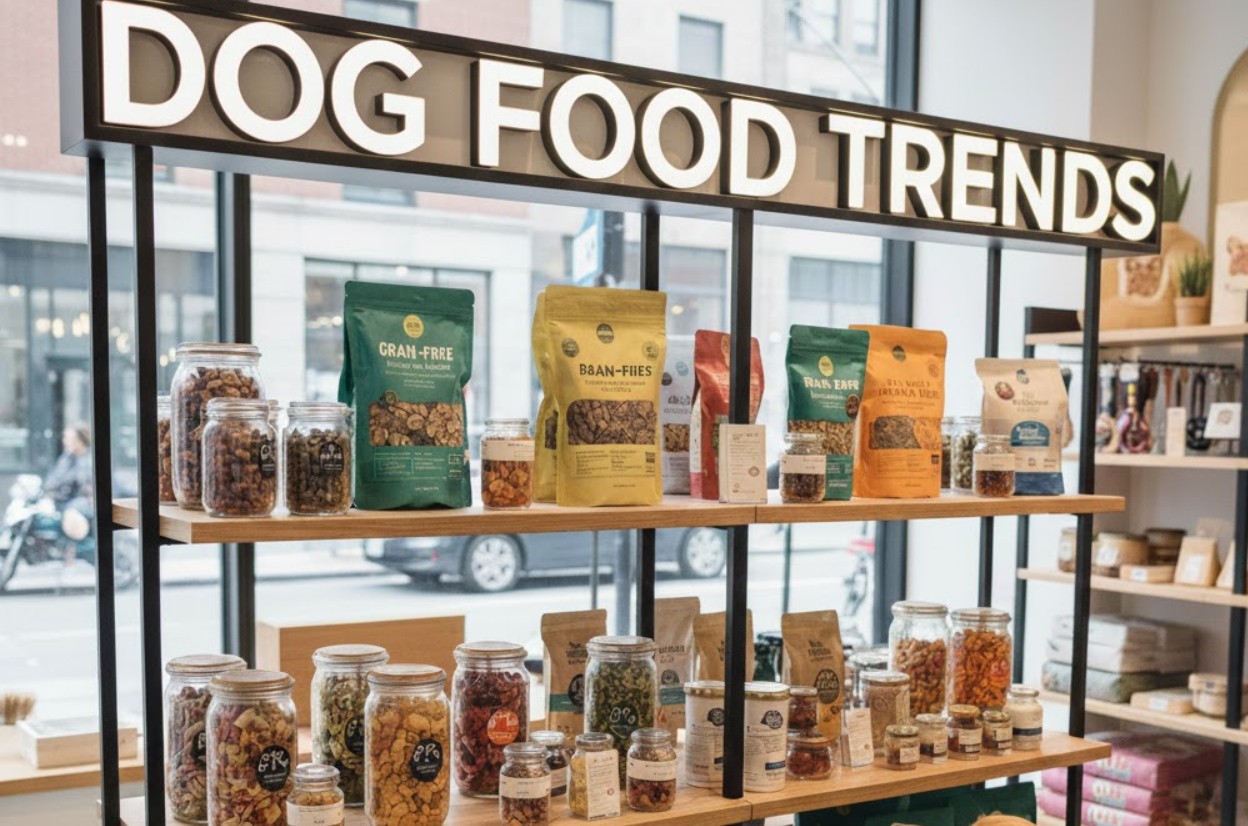
The dog food industry is entering a turning point. What used to be driven by convenience and shelf life is now shaped by health science, sustainability, and owner expectations that mirror human nutrition trends. In 2026, dog food is no longer just about feeding pets. It’s about optimising longevity, preventing chronic issues, and aligning purchasing decisions with ethics and environmental impact. Brands that fail to adapt will feel dated fast. This forecast breaks down the most important dog food trends shaping the year ahead and why they matter.
Health-First Nutrition Becomes the Baseline
Functional nutrition is no longer a premium add-on. By 2026, health-focused formulations are expected to be the standard rather than the exception. Pet owners are becoming more educated about ingredient quality, nutrient density, and the long-term impact of ultra-processed foods on their dogs’ health. This has pushed manufacturers to rethink formulations with a preventative mindset, rather than simply meeting minimum nutritional requirements. As a result, dog food is increasingly positioned as a daily health intervention rather than a commodity.
Gut Health, Probiotics, and Digestive Support
Digestive health is emerging as one of the most influential drivers of purchasing decisions. In 2026, probiotics, prebiotics, and postbiotics are expected to be common inclusions across both dry and fresh dog food lines. These ingredients support nutrient absorption, immune function, and stool quality, all of which are top concerns for dog owners. Brands are also becoming more transparent about probiotic strains and colony counts, moving away from vague claims. This mirrors the maturity seen in the human supplement market over the past decade.
Condition-Specific and Life-Stage Nutrition
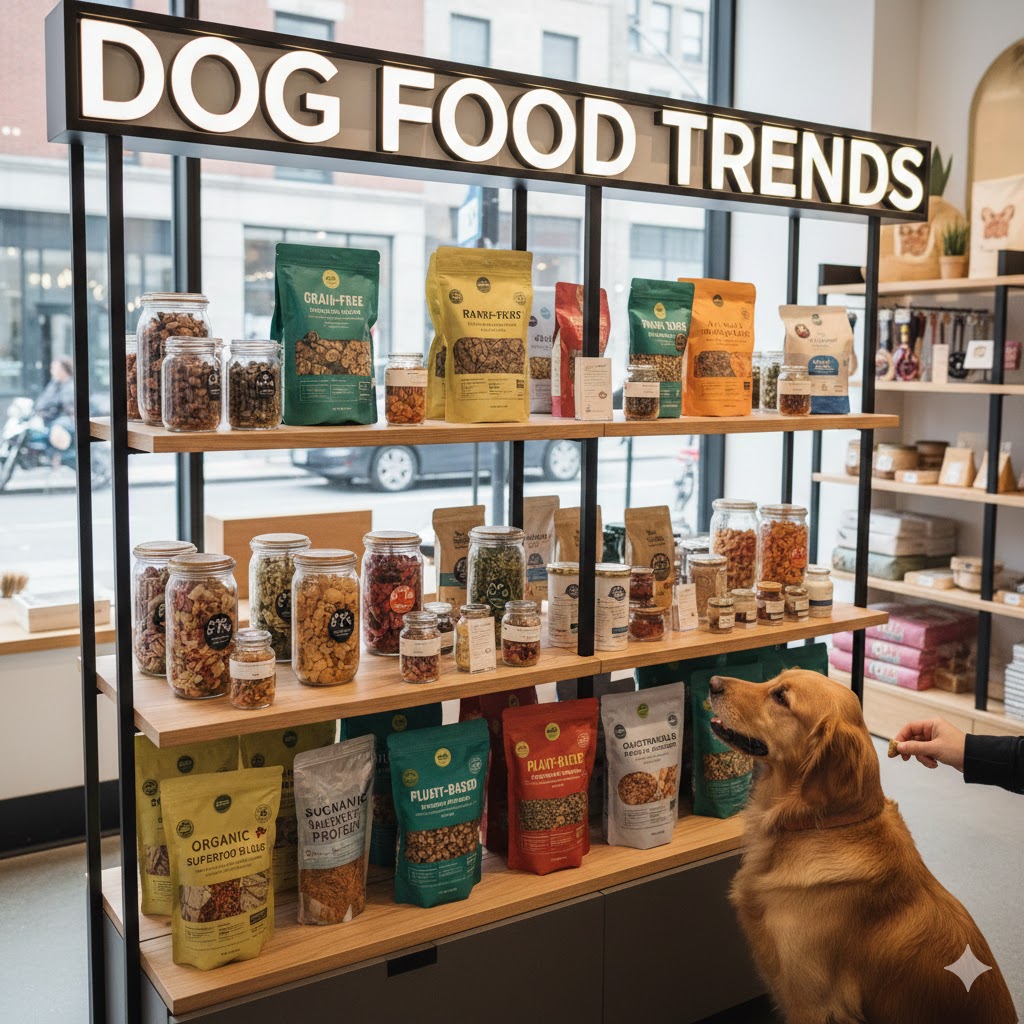
One-size-fits-all diets are steadily being phased out. Dog food trends in 2026 point strongly toward condition-specific formulas designed around age, breed size, activity level, and health concerns such as joint support, weight management, or skin conditions. Senior dog nutrition in particular is seeing rapid innovation, with increased focus on cognitive health and mobility. These targeted formulations allow brands to justify higher price points while delivering clearer value to pet owners. Education-driven marketing will play a major role in supporting this shift.
Sustainability and Ethical Sourcing Move Front and Centre
Sustainability is no longer a niche concern among eco-conscious buyers. In 2026, it is becoming a mainstream expectation in the dog food category. Consumers are asking where ingredients come from, how animals are raised, and what environmental impact their purchases create. This pressure is forcing dog food brands to rethink supply chains, protein sourcing, and packaging materials. Those that fail to demonstrate meaningful action risk losing trust and relevance.
Alternative Proteins and Plant-Forward Blends
The growth of alternative proteins is one of the most visible dog food trends for 2026. Insect protein, legumes, and novel plant-based blends are being explored as ways to reduce environmental impact while still delivering complete amino acid profiles. While fully plant-based dog diets remain controversial, hybrid and plant-forward formulations are gaining traction. These blends reduce reliance on traditional meat proteins without eliminating them entirely. For many pet owners, this represents a compromise between sustainability and nutritional confidence.
Packaging, Transparency, and Environmental Accountability
Packaging innovation is playing a bigger role in purchasing decisions than ever before. Biodegradable materials, recyclable containers, and reduced plastic usage are becoming competitive advantages rather than marketing extras. At the same time, brands are increasing transparency around sourcing and production practices. Carbon footprint disclosures and traceable ingredient sourcing are beginning to enter the mainstream. In 2026, sustainability messaging without measurable action is unlikely to hold up under consumer scrutiny.
Personalisation and Data-Driven Dog Nutrition
Personalised nutrition is accelerating rapidly within the pet food space. Advances in data collection, digital tools, and health tracking are enabling brands to tailor diets with increasing precision. In 2026, dog owners expect recommendations that reflect their dog’s unique needs rather than generic feeding guidelines. This shift is transforming how dog food is formulated, sold, and delivered.
DNA, Lifestyle, and Health-Based Custom Diets
DNA testing and lifestyle assessments are becoming more common inputs into personalised dog food plans. These tools allow brands to recommend ingredient ratios based on breed predispositions, activity levels, allergies, and digestive sensitivity. While still emerging, this trend is gaining trust as science-backed validation improves. For pet owners, personalised diets offer reassurance that they are doing the best possible thing for their dog’s long-term health. This positions personalised dog food as a premium but logical investment.
Subscriptions and Adaptive Feeding Models
Subscription-based dog food services are evolving beyond convenience. In 2026, many are expected to offer adaptive feeding plans that adjust over time based on age, weight changes, and health feedback. This creates a longer customer lifecycle and stronger brand loyalty. It also allows companies to gather valuable first-party data to refine future formulations. The relationship between brand and consumer becomes ongoing rather than transactional.
Raw and Minimally Processed Diets Continue to Surge
One of the strongest dog food trends heading into 2026 is the continued rise of raw and minimally processed diets. Pet owners are increasingly sceptical of heavily processed kibble and are seeking food that more closely resembles a natural canine diet. This shift is driven by concerns around ingredient degradation, fillers, and long-term health outcomes. As a result, raw feeding is moving from fringe to mainstream consideration.
Interest in raw dog food continues to grow as pet owners look for diets that prioritise ingredient integrity and biological appropriateness. While raw feeding requires education and careful handling, its perceived benefits around digestion, coat health, and energy levels are driving adoption. In response, brands are investing heavily in safety standards, sourcing transparency, and consumer education. By 2026, raw and fresh dog food is expected to be a core category rather than an alternative one.