

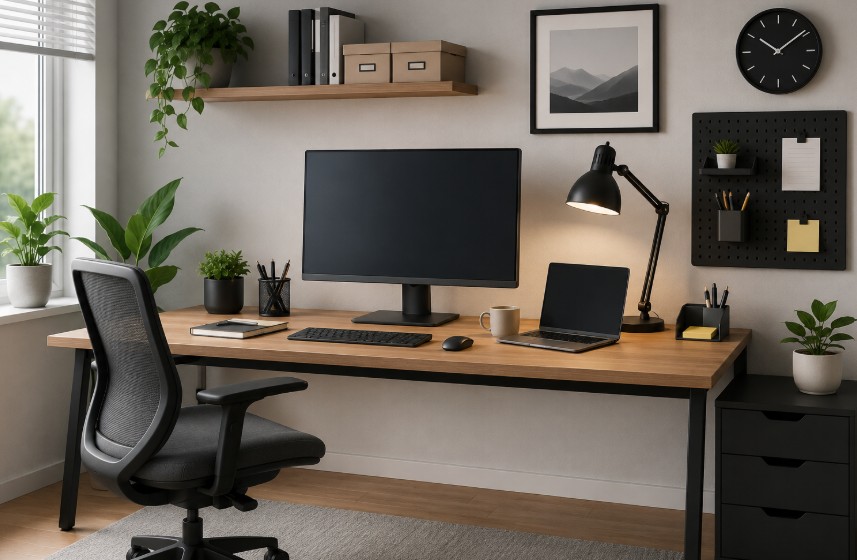
You know that feeling when you walk into certain offices? Some make you want to get straight to work. Others… well, they make you want to turn around and leave. I’ve been in hundreds of workspaces over the years, and let me tell you – the difference between a well-designed office and a poorly planned one is massive. And it’s not just about looks.
Last month I was talking to a business owner in Brisbane who’d just finished renovating their office space. They worked with Commercial Fitouts Brisbane Company Impact Fitouts and the transformation was incredible. But what really struck me wasn’t the sleek new design or modern furniture. It was what happened after. Their team’s productivity shot up by 23% in just two months. Employee sick days dropped. Client meetings started converting better. All from changing the physical space.
Here’s the thing most people miss – your workspace is either helping or hurting your business. There’s no middle ground. And if you’re running a business in 2024, ignoring this is like leaving money on the table.
The Psychology Behind Productive Spaces
Think about your own home for a second. You probably spent time picking the right colors, arranging furniture just so, maybe adding plants or artwork. Why? Because you know environment affects how you feel. Yet somehow when it comes to business spaces, we forget this basic truth.
Research from the University of Exeter found that employees who have control over their workspace design are 32% more productive. But its not just about letting people choose their desk position. It’s about creating environments that actually support the work being done.
Open plan offices were all the rage for years. Then everyone realized they’re productivity killers for most types of work. Now we’re seeing a shift toward flexible spaces – zones for collaboration, quiet areas for deep work, casual spots for informal meetings. The best offices aren’t one-size-fits-all anymore.
What Actually Moves the Needle
After seeing dozens of office transformations, here’s what actually makes a difference:
Natural light – This one’s huge. Studies show natural light improves mood, energy, and even sleep quality. If your office feels like a cave, that’s problem number one.
Proper acoustics – Nothing kills concentration faster than constant noise. Good office design includes sound management. Acoustic panels, strategic layout, even the right flooring choices all matter.
Temperature control – Ever tried to work when you’re freezing? Or sweating? Getting HVAC right is basic but so many offices get it wrong.
Movement flow – How people move through your space matters more than you think. Bottlenecks, awkward pathways, isolated departments – these all create friction that adds up over time.
Break spaces that actually work – A sad microwave and plastic chairs don’t cut it. Good break areas help people recharge, collaborate informally, and actually want to be in the office.
The Real ROI of Office Design
Let’s talk numbers because I know that’s what matters. The average employee costs a business around $80,000 per year when you factor in salary, benefits, overhead. If a better workspace makes them even 10% more productive, that’s $8,000 in value per person per year.
For a 20-person company, we’re talking $160,000 annually. Suddenly that office renovation doesn’t seem so expensive, does it?
But productivity is just one piece. Well-designed offices also help with:
- Attracting better talent (especially younger workers who expect modern workspaces)
- Reducing turnover (replacing an employee costs 50-200% of their annual salary)
- Impressing clients and closing more deals
- Reducing sick days and workplace injuries
- Building company culture that actually sticks
Making It Happen Without Breaking the Bank
Now I know what you’re thinking. “This all sounds great but I don’t have Google’s budget.” Good news – you don’t need it. Smart office design isn’t about expensive furniture or fancy gadgets. It’s about understanding how your specific team works and creating spaces that support that.
Start with the basics. Fix the lighting. Address any acoustic issues. Create distinct zones for different types of work. Add some plants (they improve air quality and mood). These changes alone can make a massive difference.
If you’re planning a bigger renovation, work with professionals who understand commercial spaces. They’ll help you avoid costly mistakes and often know ways to achieve your goals for less. Plus they handle all the compliance stuff that’ll make your head spin if you try going it alone.
The Bottom Line
Your workspace is either an asset or a liability. There’s no neutral. And in today’s competitive environment, can you really afford to have your physical space working against you?
The companies winning right now understand this. They’re not just throwing money at fancy offices. They’re being strategic about creating environments where their teams can do their best work. Where clients want to visit. Where the space itself becomes a competitive advantage.
Take a hard look at your current workspace. Is it helping or hurting? If you’re honest and the answer is hurting, maybe it’s time to do something about it. Your team (and your bottom line) will thank you.