

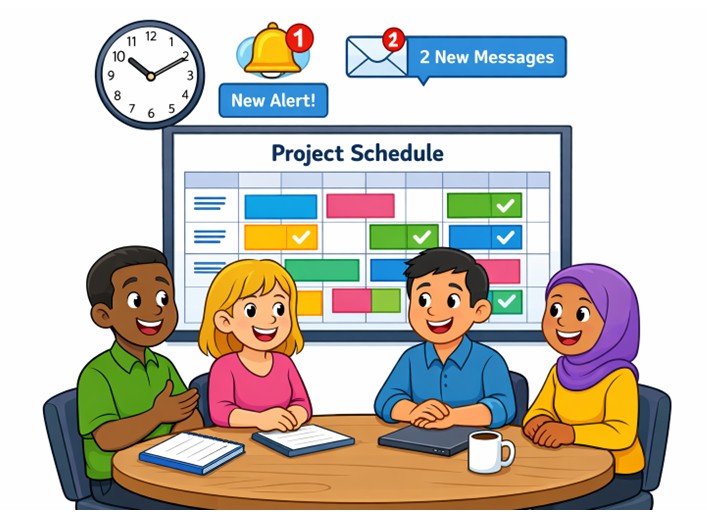
Smart scheduling is transforming how organizations coordinate tasks, meetings, and workloads for their teams. In a world where efficiency and employee well-being are closely linked, modern companies need to go beyond basic calendar invites. Leveraging digital tools and strategic planning, smart scheduling optimizes resources and minimizes downtime. For businesses aiming to keep up with a rapidly changing workplace, investing in effective workforce management tactics and scheduling solutions is a key step toward sustainable productivity. Strategic scheduling involves more than filling in slots on a timetable. It requires understanding team dynamics, integrating evolving technology, and being responsive to changing goals. Such approaches allow teams to prioritize important tasks, manage workloads, and enhance collaboration. Amid hybrid and remote work trends, adopting intelligent scheduling systems helps address logistical challenges and maintain high team morale.
Smart scheduling can help organizations address common issues such as overbooked calendars, time zone complexities, and uneven workloads. It improves project delivery and supports employee satisfaction by ensuring everyone’s time is used efficiently and fairly. As the demand for flexible work arrangements grows, the need for scheduling that adapts to both business requirements and team member preferences is more pressing than ever. Modern scheduling tools often feature automated calendar suggestions, seamless integration with communication platforms, and analytics to identify productivity gaps. These technologies empower managers and employees to work smarter, reduce administrative burden, and improve collaboration and performance across departments.
Understanding Smart Scheduling
Smart scheduling refers to using advanced digital tools and methodologies to plan, allocate, and manage team activities with precision. Unlike traditional approaches that may overlook employee preferences or overcommit resources, smart scheduling considers factors such as skills, existing workloads, and shifting priorities. The result is a schedule that not only meets business needs but also respects team member availability and well-being. Organizational leaders who leverage smart scheduling often use centralized systems that provide real-time updates and automated notifications. These platforms ensure everyone stays informed and connected, even in dispersed or hybrid work environments. Smart scheduling’s adaptability and responsiveness make it a pillar of effective workforce management strategies in modern businesses.
Benefits of Smart Scheduling
Smart scheduling offers a range of advantages for teams and organizations:
- Increased Productivity: Automated scheduling reduces idle time and helps ensure that the most suitable person is assigned to each task, boosting overall output.
- Employee Satisfaction: Balanced workloads help reduce burnout and clarify expectations, contributing to better morale and retention.
- Resource Optimization: Smart systems match tasks with available skills and time, making the most of organizational talent and assets.
According to Forbes Human Resources Council, companies that adopt smart scheduling see improvements in efficiency and employee engagement alike, as schedules can better adapt to changing demands and team input.
Implementing Smart Scheduling Tools
There are several robust options for teams wishing to make the transition to smart scheduling:
- AI-Powered Calendars: Platforms such as Smart Calendars AI analyze individual schedules, recommend optimal meeting times, and reduce conflicts through predictive analytics. These calendars can integrate seamlessly with other workplace tools and communication apps.
- Automated Scheduling Software: Solutions like Reclaim.ai automate the scheduling of meetings and recurring tasks by weighing time zones, work styles, and preferences. This reduces manual effort and promotes fair distribution of responsibilities.
Organizations that implement these tools often gain valuable data insights for continuous improvement and can adjust scheduling frameworks to better align with evolving objectives and employee feedback.
Strategies for Effective Scheduling
Teams that use smart scheduling need effective strategies to maximize impact:
- Prioritize High-Impact Tasks: Adopting the “Most Important Task” method allows teams to focus resources on top priorities at the right time.
- Employ Time Blocking: Dedicating specific blocks for individual tasks helps avoid multitasking and maintains focus, increasing productivity.
- Continuous Schedule Review: Ongoing assessment of plans and priorities ensures that schedules remain relevant and can adapt to new requirements or opportunities.
Employing these approaches makes it easier to meet deadlines, maximize individual strengths, and accommodate last-minute project changes.
Overcoming Common Scheduling Challenges
Implementing smart scheduling is not without its hurdles. The most prevalent difficulties include:
- Time Zone Management: Remote and global teams can have trouble coordinating, but modern scheduling tools can automatically adjust for time differences and recommend convenient slots for all participants.
- Handling Last-Minute Changes: Dynamic scheduling systems let teams absorb and react to changes quickly, minimizing disruption to overall workflow.
- Managing Resource Constraints: Assigning tasks based on skill sets and current workloads prevents overload and promotes even distribution of effort across the team.
Constructive communication coupled with smart scheduling technology is key to resolving these challenges and maintaining productive momentum.
Case Studies of Successful Implementation
Businesses from various sectors have reaped significant benefits from smart scheduling:
- Manufacturing Sector: Companies utilizing AI-driven scheduling platforms have improved shift allocations, reduced overtime, and cut operational costs. This led to more predictable output and higher employee satisfaction.
- Remote Teams: Distributed organizations have used automated scheduling to coordinate across continents, enhancing collaboration and satisfaction while ensuring fair work distribution regardless of team member location.
Future Trends in Team Scheduling
As digital transformation accelerates, several trends are shaping the future of smart scheduling:
- Broader AI Integration: Artificial intelligence will provide more personalized, adaptive scheduling that considers work preferences, productivity cycles, and unexpected changes more efficiently than before.
- Better Collaboration Features: Scheduling platforms will improve integration with messaging and project management tools, creating unified workflows and further reducing manual inputs.
- Focus on Employee Well-Being: Companies will continue to prioritize work-life balance, designing schedules that promote both high performance and employee satisfaction to drive retention and engagement.
Conclusion
Smart scheduling is an essential strategy for organizations looking to maximize productivity and foster a supportive work environment. By investing in modern scheduling tools and tailored planning methods, businesses can create schedules that meet both strategic goals and employees’ needs. Adopting these practices ensures teams are equipped to meet today’s challenges and are prepared for future workplace innovations.