

Key Takeaways
- Businesses face a wide range of risks, including property damage, cyber threats, liability claims, and supply chain disruptions.
- Proactive planning and regular risk assessments help prevent small issues from becoming major financial setbacks.
- Insurance coverage, such as property, liability, cyber, and business interruption insurance, is essential for financial protection.
- Operational resilience depends on preparation, including backup systems, supplier diversification, and employee training.
- Staying compliant, financially prepared, and adaptable strengthens long-term business stability and growth.
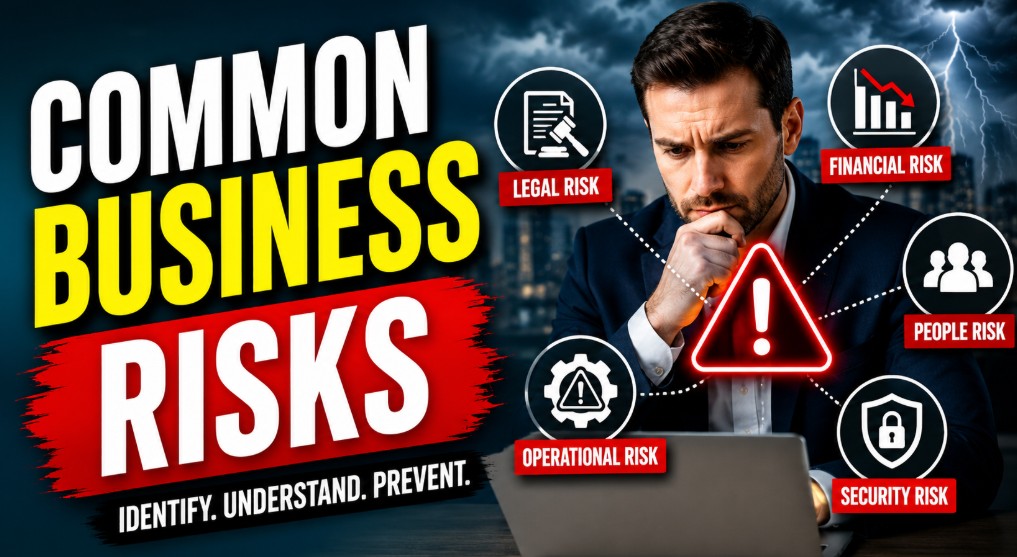
Running a business presents an endless series of opportunities and challenges. Entrepreneurs often focus on growth and innovation, but anticipating risks and preparing for them is equally important. Understanding potential threats helps make informed decisions and safeguard your company’s future. For those looking to secure their business from unforeseen challenges, consider exploring small business insurance plans tailored to your industry as a foundational step in risk management.
Every business, regardless of size or industry, faces unique risks. These risks can lead to financial setbacks, operational disruptions, or reputational consequences if left unaddressed. Fortunately, there are practical strategies to recognize and reduce these vulnerabilities before they become overwhelming.
Property Damage
Property damage due to natural disasters, fire, theft, or vandalism can result in severe operational setbacks. The cost of repairs or replacement, and the time required to recover, can be crushing for small and medium-sized enterprises.
- Preparation Tip: Secure comprehensive property insurance that fits your specific business needs. Routine inspections and property maintenance can also reduce vulnerabilities caused by ignored repairs or hazards.
Consider the unique hazards your geographic location may present, such as floods, earthquakes, or hurricanes, which may require specialized coverage. Additionally, keeping detailed records of assets and inventory can expedite recovery in the event of a claim, helping minimize downtime and financial loss.
Regularly update emergency contact lists and create a disaster response plan that includes evacuation routes and crisis communication strategies.
Business Interruption
Even the best-run business is susceptible to unforeseen interruptions, such as forced closures after a disaster or supply chain disruptions. When operations come to a halt, businesses may struggle with lost sales and deteriorating relationships with customers and suppliers.
- Preparation Tip: A robust business continuity plan outlines steps for rapid recovery. Business interruption insurance may help cover lost income and necessary expenses during unexpected closures.
Review your plan annually and conduct scenario exercises involving your staff to ensure everyone knows their responsibilities should an interruption occur. Establishing remote work protocols and adopting cloud-based systems can also facilitate business continuity if physical locations are inaccessible.
Cybersecurity Threats
In today’s digital landscape, businesses are frequently targeted by cybercriminals seeking to exploit weaknesses in security systems. Data breaches, ransomware, and phishing attacks not only compromise sensitive information but also erode customer trust.
- Preparation Tip: Regularly update your cybersecurity protocols, including firewalls and antivirus software. Employee training and data encryption are essential steps. According to a recent Forbes article, continuous monitoring and cyber liability insurance are crucial for defending your business against evolving threats.
Schedule periodic security audits and hire cybersecurity professionals to identify vulnerabilities. Create an incident response plan detailing steps for containment, assessment, and notification in the event of a breach. Implement multi-factor authentication and encourage secure password practices across your team.
- Back up critical data regularly and test restores to validate your disaster recovery process.
Liability Risks
Accidents, injuries, or faulty products can result in costly lawsuits. These risks can harm a business’s financial health and its reputation in the marketplace.
- Preparation Tip: General liability insurance is a fundamental safeguard. Adopt rigorous training and safety protocols to ensure adherence to best practices and regulatory standards at all times.
Be proactive about addressing hazards in your facility and obtaining waivers or indemnity agreements where appropriate. Comprehensive documentation of safety policies, incident reports, and regular staff training sessions can lower your overall liability exposure.
Economic Fluctuations
Businesses operate within economies that can be highly volatile. Changes in market demand, inflation rates, and global financial conditions impact revenue and profitability.
- Preparation Tip: Expand your business offerings and keep cash reserves for lean times. Monitor economic trends and stay updated by reading industry reports from reputable sources to adapt strategies as needed.
It is wise to create flexible budgets, routinely review expenditures, and diversify your revenue streams to help cushion your business during periods of instability. Establish financial benchmarks and schedule regular meetings with your accountant or financial advisor to remain agile amid shifting economic conditions.
Supply Chain Disruptions
Relying on one or two suppliers or failing to diversify sourcing options can lead to significant problems if a disruption occurs. Global crises, transportation delays, or natural catastrophes can break supply chains quickly.
- Preparation Tip: Build reliable relationships with multiple suppliers, including local vendors where possible. Regularly review and update your supply chain strategy to enhance resilience.
Use technology to track shipments and inventory levels in real time, and develop contingency plans to reroute or expedite shipments if a disruption occurs. Participate in industry groups or consortia to stay ahead of supply chain risks and collaborate with peers on best practices.
Regulatory Compliance
Changing regulations or failure to comply with industry requirements can lead to fines, litigation, and reputational damage. Businesses must constantly review evolving legal standards both locally and nationally.
- Preparation Tip: Stay informed with regulatory updates from official agencies. Conduct regular compliance audits and train staff to uphold strict adherence.
Utilize compliance management software to automate tracking of required permits, licenses, and deadlines. Consider consulting legal experts regularly for reviews and updates to key policies, ensuring you remain up to date and ahead of regulatory shifts.
Talent Management
Talented, motivated employees are vital for innovation and long-term success. High turnover can be costly, disrupt operational rhythm, and lower morale among remaining team members.
- Preparation Tip: Cultivate a positive work culture, offer professional development opportunities, and provide competitive compensation and benefits.
Incorporate regular feedback and recognition programs to boost engagement. Encourage open communication and support work-life balance with flexible scheduling and wellness initiatives. Providing clear pathways for advancement and upskilling can help reduce turnover and improve employee loyalty.
- Regularly survey employees to understand areas for improvement and act on their feedback to strengthen your workplace environment.
Final Thoughts
Preparing for common business risks is an essential part of smart leadership. By addressing potential threats before they affect operations, business owners can reduce loss, protect livelihoods, and build resilience. Adaptability and proactive planning ensure your business thrives, even in the face of uncertainty. Invest in knowledge, protect your assets, and always have a plan in place.
Consider making risk management a regular part of your leadership strategy by including it in team meetings and annual planning sessions. Continuously monitor the risk environment in your industry and review your preparedness plans, making updates as your business evolves. With the right mix of planning, insurance, and adaptability, you can turn challenges into opportunities and guide your business toward long-term success, no matter what the future holds.