

Not long ago, a disposable vape was about as technologically sophisticated as a lighter. You used it until it ran out, threw it away, and bought another one. For a product category built entirely on simplicity and convenience, that was the whole point. But the disposable vape market has moved on considerably from that model, and what manufacturers are shipping now looks a lot more like a piece of consumer electronics than a use-once nicotine delivery device.
The shift is being driven by the same forces that tend to push most consumer gadgets forward — competition, consumer expectations, and a desire to differentiate in a crowded market. The result is a new class of device that people in the industry have started calling smart vapes, and they have features that would have seemed excessive for a disposable product just a few years ago.
From Simple to Smart: What Changed
Early disposable vapes had two distinguishing features: a fixed amount of e-liquid and a battery that lasted roughly as long. When either ran out, the device was done. There was no way to know how close you were to the end, no way to adjust the experience, and no real feedback loop of any kind. For most users, the first sign the device was dying was a burnt taste or a noticeably weaker draw.
The first wave of improvements addressed the most obvious pain point: battery life and e-liquid capacity. Puff counts climbed from a few hundred to several thousand, then to tens of thousands, as manufacturers figured out how to pack larger batteries and more liquid into increasingly compact form factors. But increasing capacity only went so far before the lack of visibility into what was left became its own frustration.
That problem — knowing how much is left — turned out to be the gateway to everything that came next. Once manufacturers started adding digital displays to show battery level and e-liquid percentage, they had created the infrastructure for a much more interactive kind of device. The display needed a chip to drive it, and a chip capable of driving a display was capable of doing quite a bit more.
What Smart Vapes Actually Do
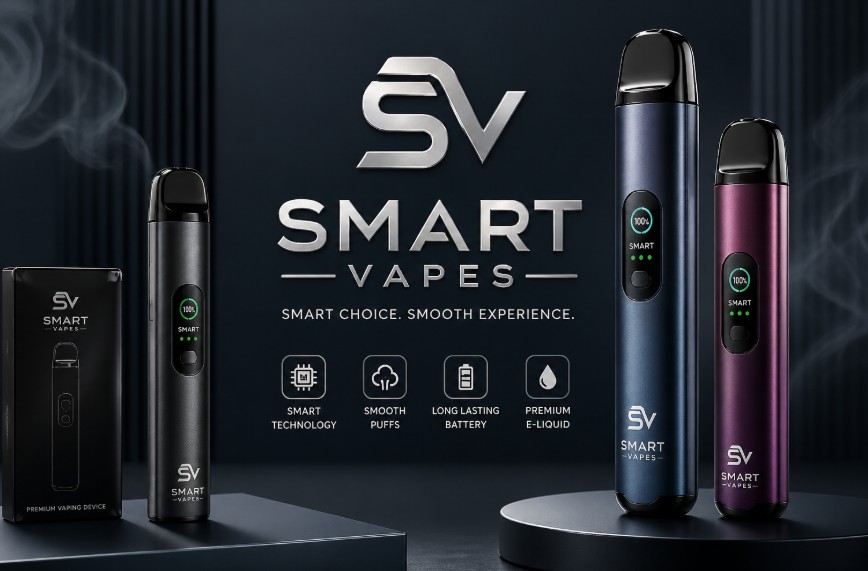
The defining feature of the current generation of smart disposables is the screen — typically a small LED or OLED display on the face of the device. At minimum, it shows remaining battery life and e-liquid level in real time, which solves the guesswork problem that plagued earlier devices. But the display has also become a platform for a wider set of features.
Performance modes are one of the more significant additions. Many smart vapes now offer at least two settings — a standard mode for everyday use and a boost or pulse mode that increases power output for a more intense draw. The Geek Bar Pulse line, for example, offers both regular and pulse modes on a single device, giving users the ability to switch between a longer-lasting standard experience and a more vapor-heavy boost setting depending on what they want at any given moment.
Dual-core chipsets are increasingly common in higher-end disposables, enabling the device to regulate temperature more precisely, prevent coil burnout, and maintain consistent flavor delivery from the first puff to the last. This is a meaningful shift from earlier devices, where flavor quality often degraded noticeably as the e-liquid level dropped.
Mesh coil technology has also become standard across most smart vape lines. Unlike traditional wrapped wire coils, mesh coils have a larger surface area that heats more evenly, which translates to better flavor and more consistent vapor production. Combined with smart chipset regulation, the result is a vaping experience that holds up far better over the lifespan of the device.
The Numbers Have Changed Too
It is worth pausing on how dramatically the core performance specs have shifted. The global disposable vape market was valued at around $34 billion in 2024, with the U.S. accounting for roughly 42% of global sales, and a significant portion of that growth has been driven by the shift to higher-capacity, feature-rich devices.
Puff counts that were once considered exceptional at 5,000 are now entry-level. Current flagship disposables routinely offer 15,000 to 25,000 puffs, with some models pushing past 30,000. Rechargeable batteries — once a feature reserved for reusable systems — are now standard on any device claiming smart credentials, since a battery capable of lasting 20,000 puffs needs to be recharged over the course of its lifetime even if the device itself is ultimately disposable.
Nicotine flexibility has also expanded. Zero-nicotine options have become more widely available across smart vape lines, responding to a consumer segment that wants the sensory experience without nicotine intake. This is part of a broader trend across the consumer electronics and wellness space toward products that give users more control over what they are putting into their bodies, which mirrors what we have seen in smart display technology more broadly — where more sophisticated hardware increasingly enables more user-defined experiences.
Authenticity and the Smart Vape Market
One consequence of the category becoming more technically sophisticated is that the gap between genuine and counterfeit devices has widened considerably. Early disposables were simple enough that knockoffs were fairly easy to produce. Smart vapes — with their display drivers, dual-core chips, and precision coil systems — are harder to fake convincingly, but the market for counterfeits has not disappeared.
Reputable retailers have responded by building authentication into the product itself. Many current smart vape devices ship with a unique security code printed on the packaging that can be verified directly with the manufacturer, giving buyers a way to confirm they have a genuine device before they use it. This kind of supply chain transparency is increasingly being treated as a baseline expectation rather than a premium feature.
For anyone buying online, sourcing from a verified retailer matters more now than it did when the products were simpler. The performance gap between a genuine smart vape and a convincing counterfeit is large enough that authentication is worth the extra step.
Where the Category Is Heading
The trajectory of smart vape development follows a pattern that will be familiar to anyone who has watched other consumer electronics categories mature. Features that start as premium differentiators — touchscreens, app connectivity, Bluetooth integration, usage analytics — tend to migrate down the product stack over time as manufacturing costs fall and consumer expectations rise.
App connectivity is already appearing in higher-end models, allowing users to monitor usage data, track puff counts, and, in some cases, adjust device settings from their phone. How widely that feature spreads will depend partly on the regulatory environment and partly on whether consumers find it genuinely useful rather than just technically impressive.
What seems clear is that the disposable vape is no longer a throwaway product in any meaningful sense beyond its end-of-life. The engineering and feature set now embedded in these devices reflects a category that has taken consumer electronics seriously — and the manufacturers who have invested in that direction are pulling away from those who have not. For consumers, that means more capability, more transparency, and a considerably better experience than the category offered even a few years ago.