

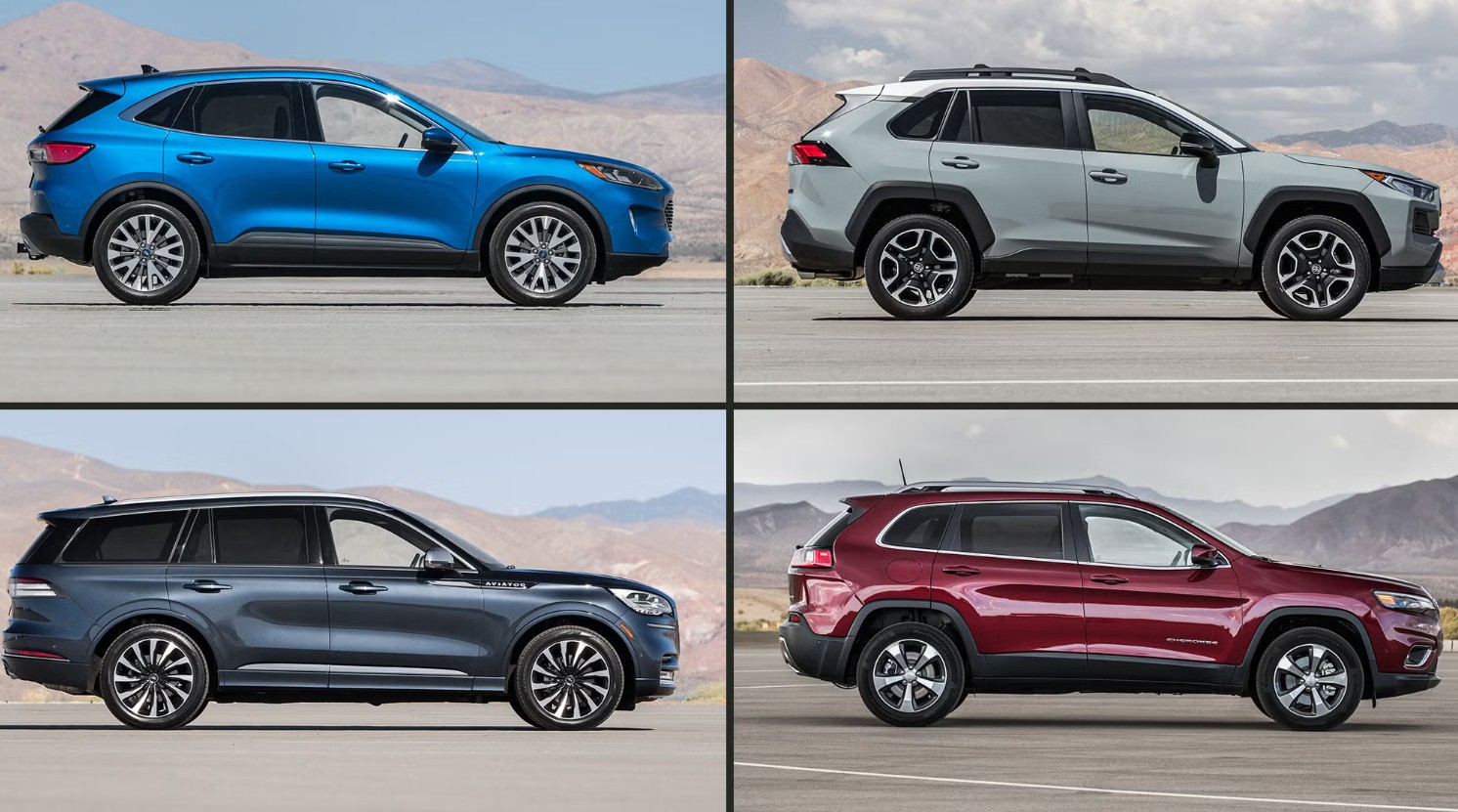
It’s probably fair to say that there are so many similarities between crossovers and SUVs that it is sometimes challenging to see an obvious distinction between the two.
If you take a closer look at new Volkswagen cars and SUVs in Austin, for instance, you are likely to spot some subtle differences for yourself, and comparing models up close can often give you a better level of understanding as to where the line is drawn for each category.
To help you appreciate the differences so that you can choose a model that works best for you, here’s a look at the key aspects that set crossovers and traditional SUVs apart from each other.
SUVs defined
A good starting point would be to appreciate exactly what an SUV is designed to offer. A Sport Utility Vehicle (SUV) does what it says on the tin. In other words, you get a vehicle design that shares a platform base with trucks produced by the same manufacturer, but one that offers a far more sporty profile.
The end result is that an SUV has a design that closely resembles what you would expect from a pickup truck with an amended design and profile that delivers a more exciting performance profile.
Crossover’s defined
Now that you have a general idea of the concept that drives SUV design, how do crossover models differ?
The fundamental distinction between an SUV model and a Crossover model is that the design platform used for a crossover is based on a road car design, as opposed to a truck design.
There is greater versatility in this design concept as the same frame and body are more interchangeable. This means a crossover could resemble a minivan or a sedan. This design concept is widely known as “unibody” construction.
Lighter and greater efficiency
There is a general balance of opinion that suggests crossovers are more popular as a result of their versatility and the fact that they tend to be lighter and more efficient than their SUV counterparts.
There is greater freedom of expression when using a crossover concept compared to sticking to a more rigid truck design concept. That allows designers to deliver designs and models that have more safety features and better passenger-friendly options.
You could also argue that because of the design familiarity to cars, crossovers already have an advantage over SUVs as they tend to hold greater appeal to car buyers.
When fuel efficiency matters
If you are keeping a close eye on everyday running costs, which many of us are with fuel prices at record levels, there is a strong case to be made for choosing a crossover rather than an SUV, if fuel economy is a key consideration.
You are more likely to get better gas mileage with a crossover.
SUVs offer better off-roading options
Without question, take a crossover away from a paved road and it is outside of its comfort zone, especially compared to how an SUV handles off-roading challenges.
You get better ground clearance with an SUV and it is designed to cope with more challenging terrain. If you want a vehicle that gives you more options beyond standard driving like commuting, an SUV fits the bill.
Now that you know the main attributes of an SUV compared to a crossover you can then choose a model that best meets your needs.